Possie the possum
Butterfly hands
Open and close your hands like butterfly wings. Where will your butterfly land?
 Feel Better


THE WORLD OF FEEL BETTER EXPLORERS
Sing it. Make it. Give it a go.
Come and explore with Wally & friends!
FEEL BETTER EXPLORERS
Pick an explorer and try an activity together.
Possie the possum
Open and close your hands like butterfly wings. Where will your butterfly land?

Quinn the quokka
Make your silliest face. Ask a mate or grown-up to copy it, then swap!

Eddy the echidna
Think of a mate. Say or draw one kind thing you’d like to tell them.

Koby the koala
Pretend there’s a leaf above you. Reach up, then float your hands down. Sit or stand.

Cookie the kookaburra
Get comfy and listen. Can you find three different sounds? Tell someone what you heard.
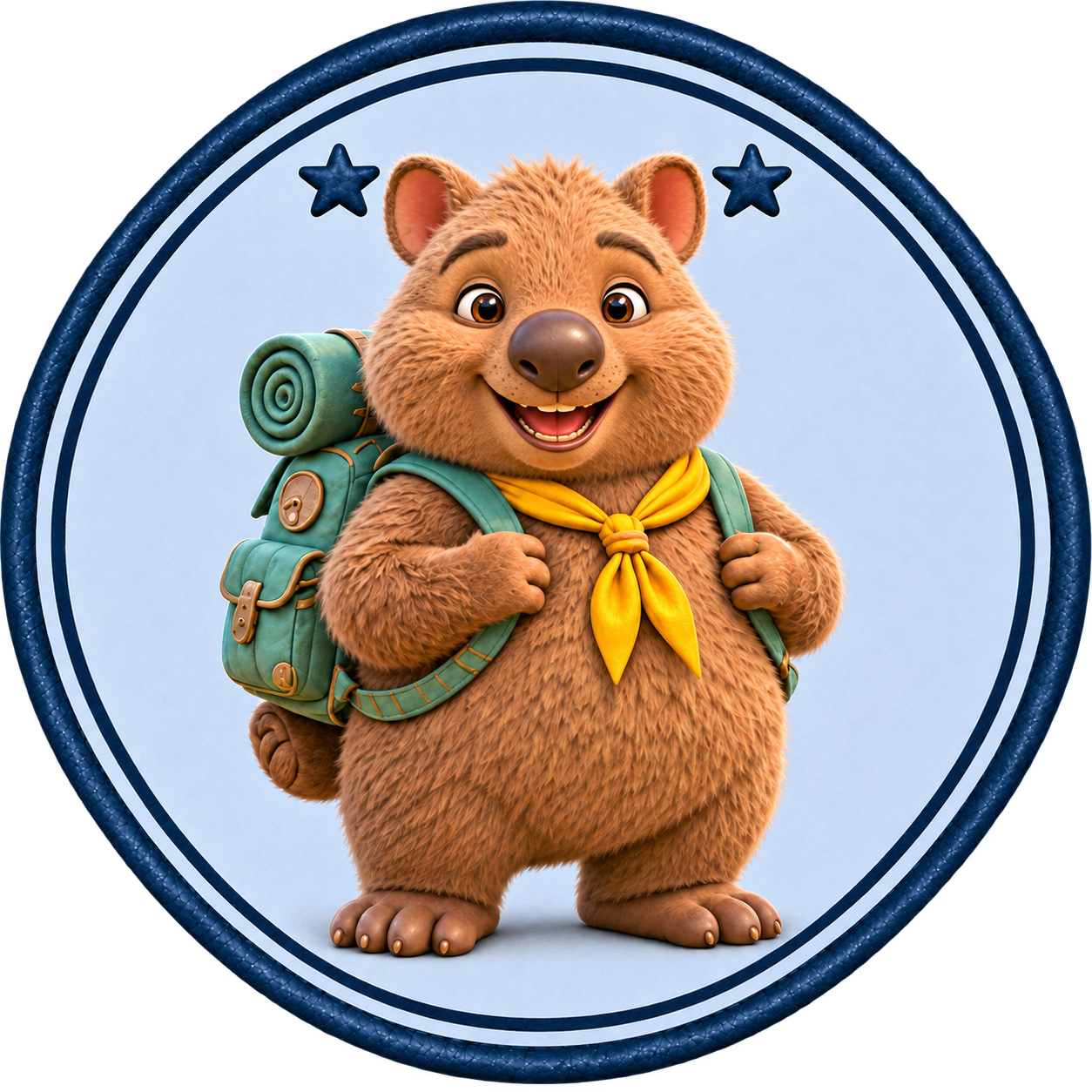
Wally the wombat
Pick something new you’d like to try. Could you watch first or ask someone to help?

Joey the kangaroo
Try three little hops or tap your toes three times. Now freeze like a statue!

Evie the emu
Pick a colour. Point to three things nearby that are that colour.
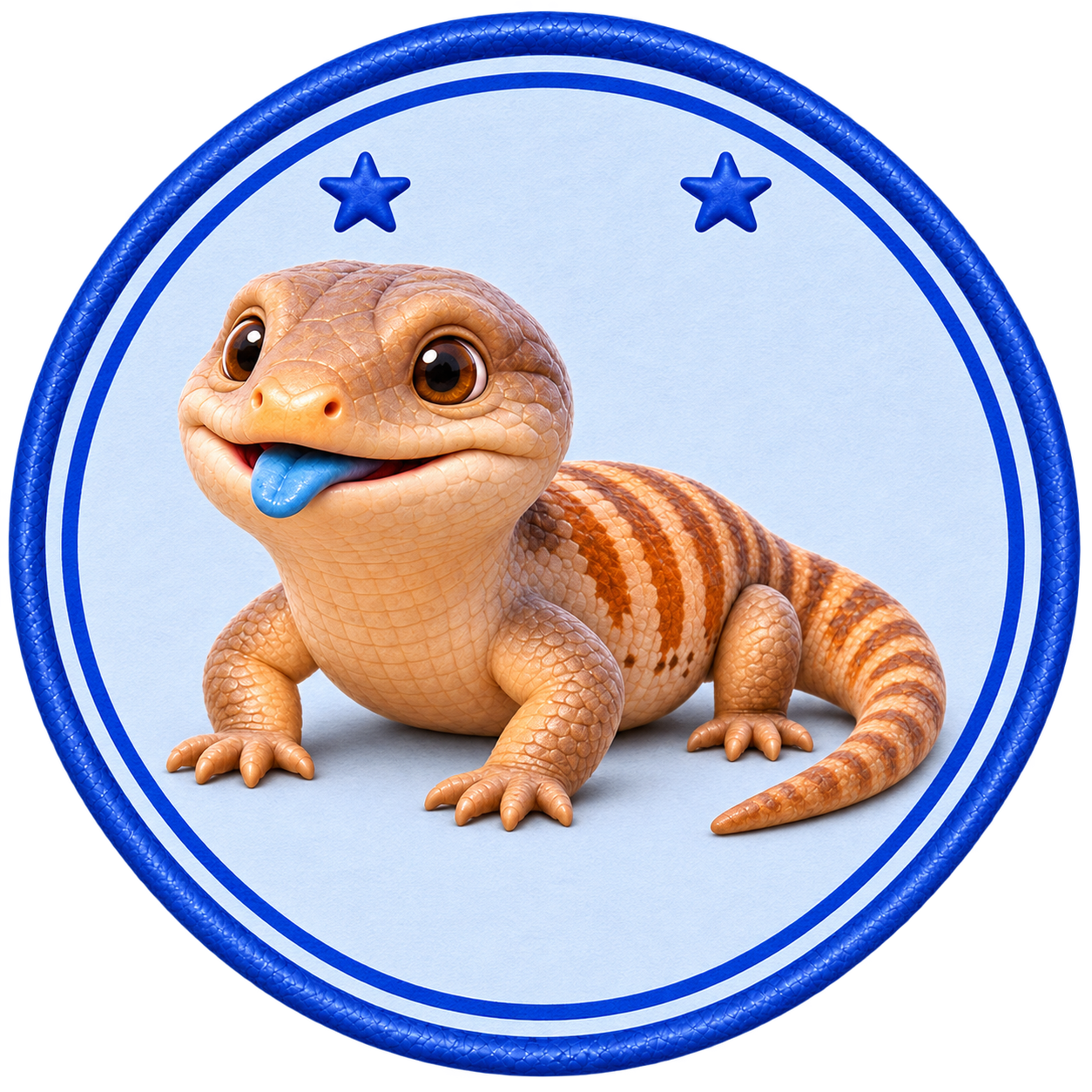
Ziggy the blue-tongue lizard
Draw a zigzag in the air with your finger. Try a tiny one, then a giant one!
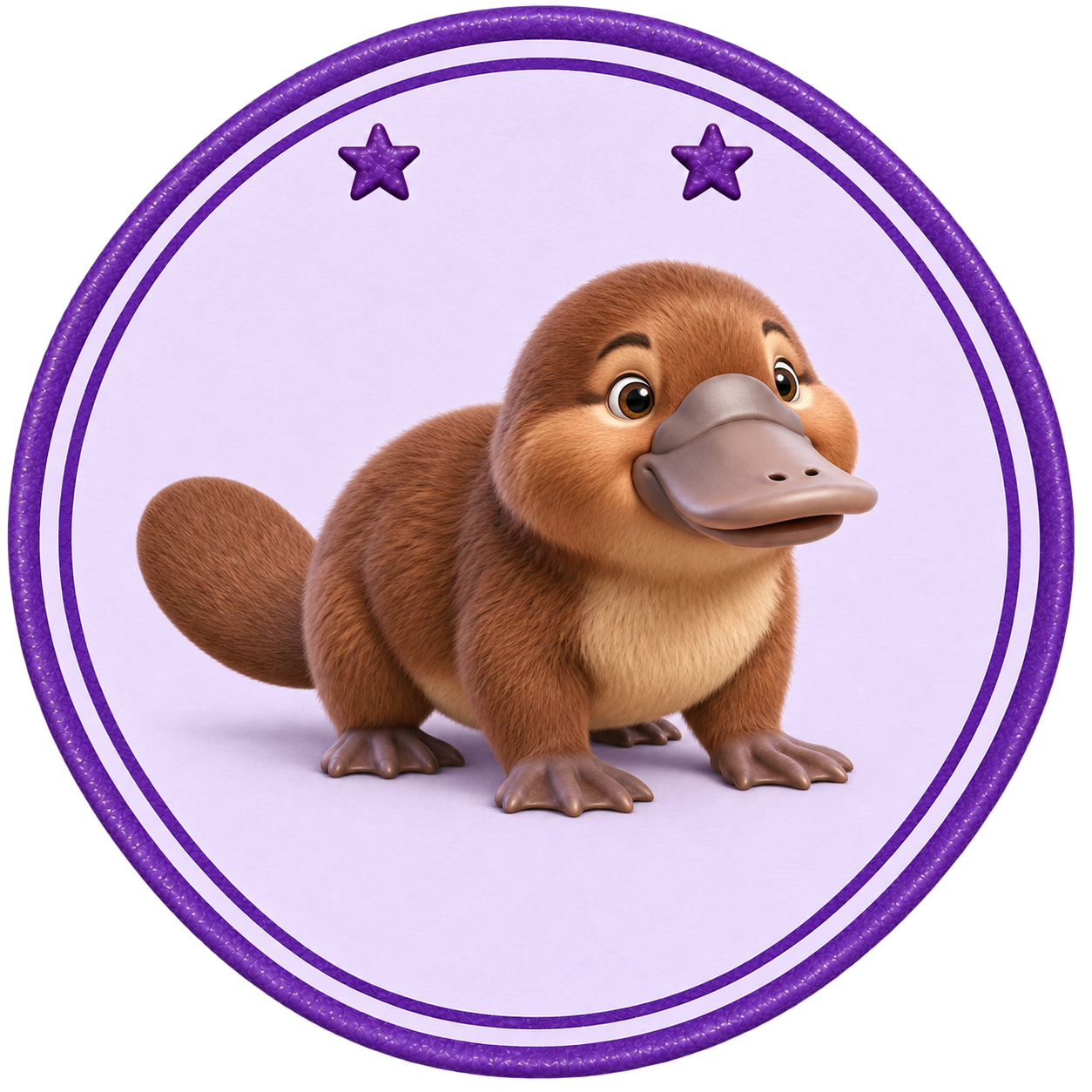
Pip the platypus
Pretend to drop a pebble in a pond. Draw little circles in the air and make them grow.

Sammy the sea lion
Raise a hand for a high-flipper, or wave hello. Tell a mate one thing you like about them.
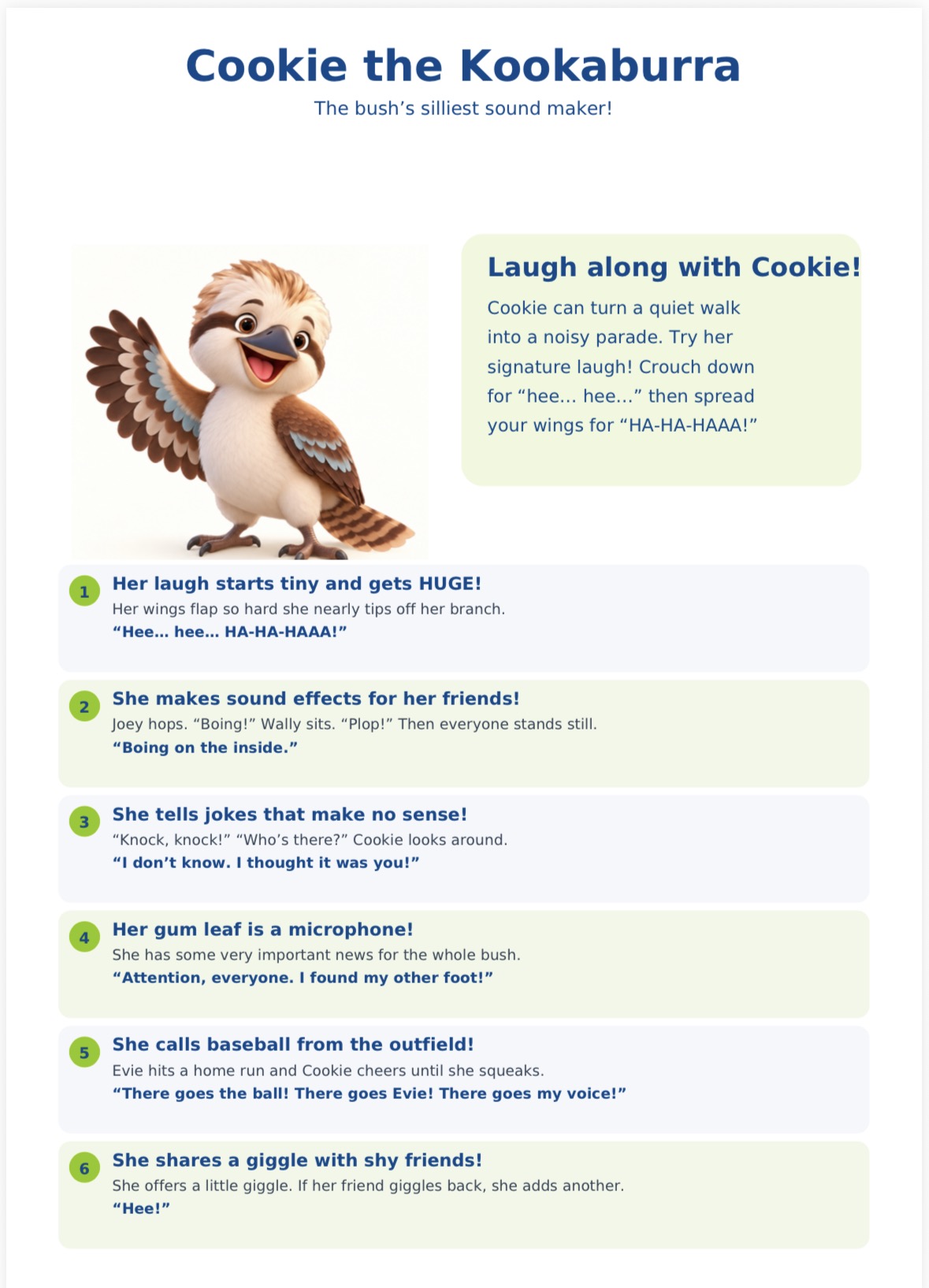
BIG FEELINGS. A FRIEND BESIDE YOU.
Tap how you feel. Cookie has a little idea to try together.

OUR BUSH BUDDIES. A WHOLE LOT OF FUN.
Sing, move and explore with Wally and all his mates.
Discover our videos on the Feel Better Explorers YouTube channel.
A LITTLE LESS SCREEN. A LITTLE MORE PLAY.
Free activities and colouring pages to print, share and explore together.
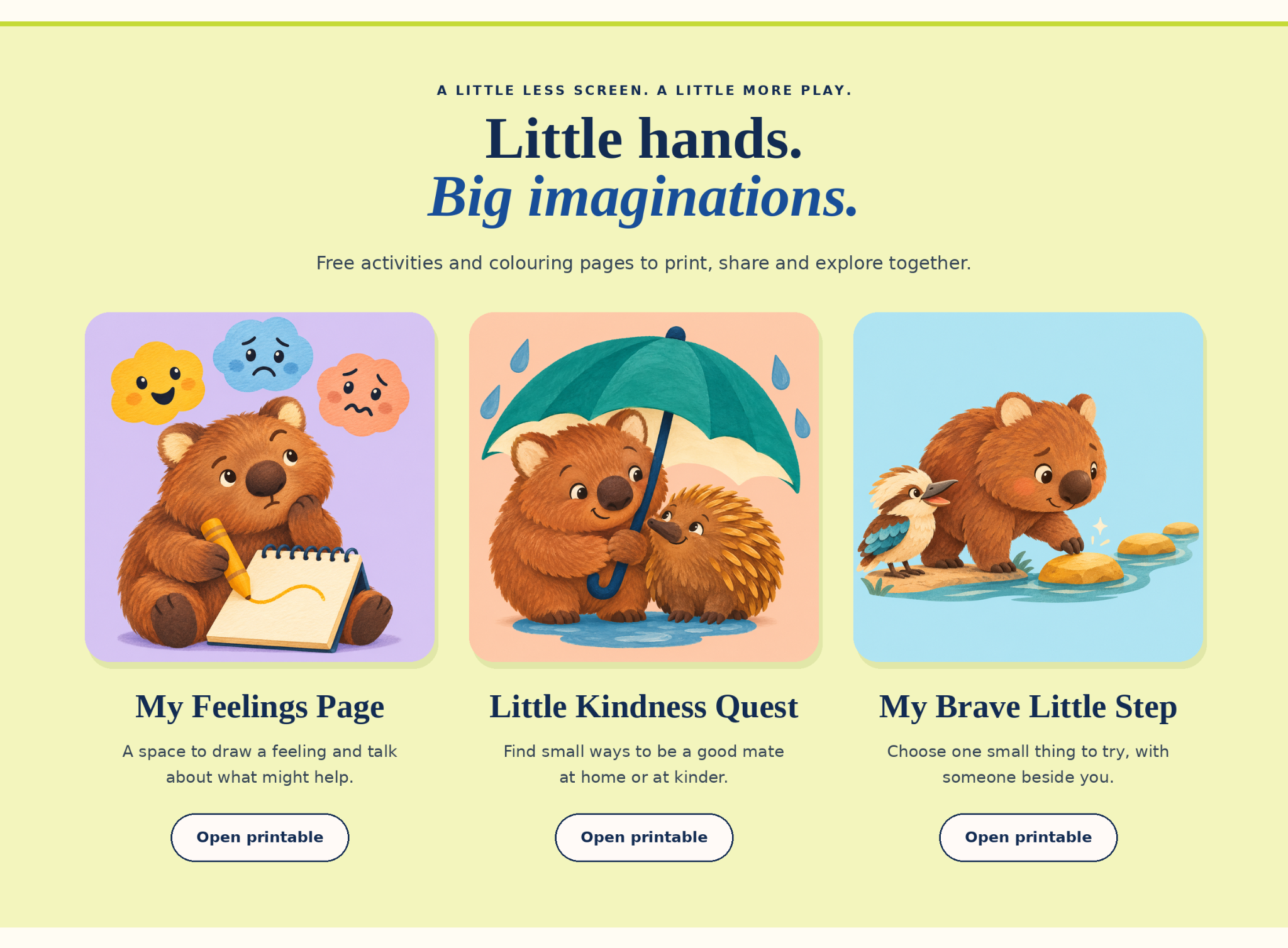
A space to draw a feeling and talk about what might help.
Open printableFind small ways to be a good mate at home or at kinder.
Open printableChoose one small thing to try, with someone beside you.
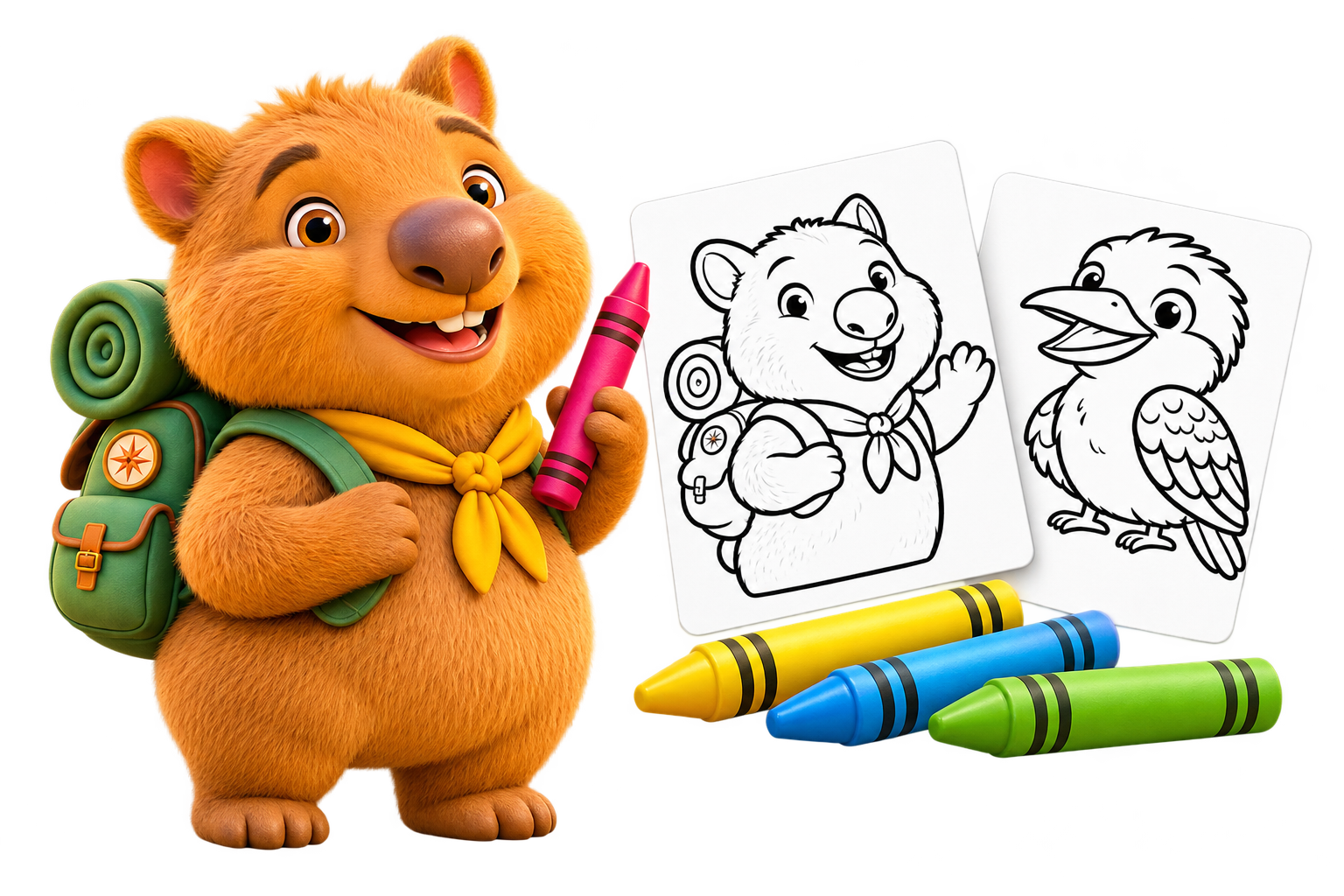
Open printablePick an explorer, print a page and grab your crayons!
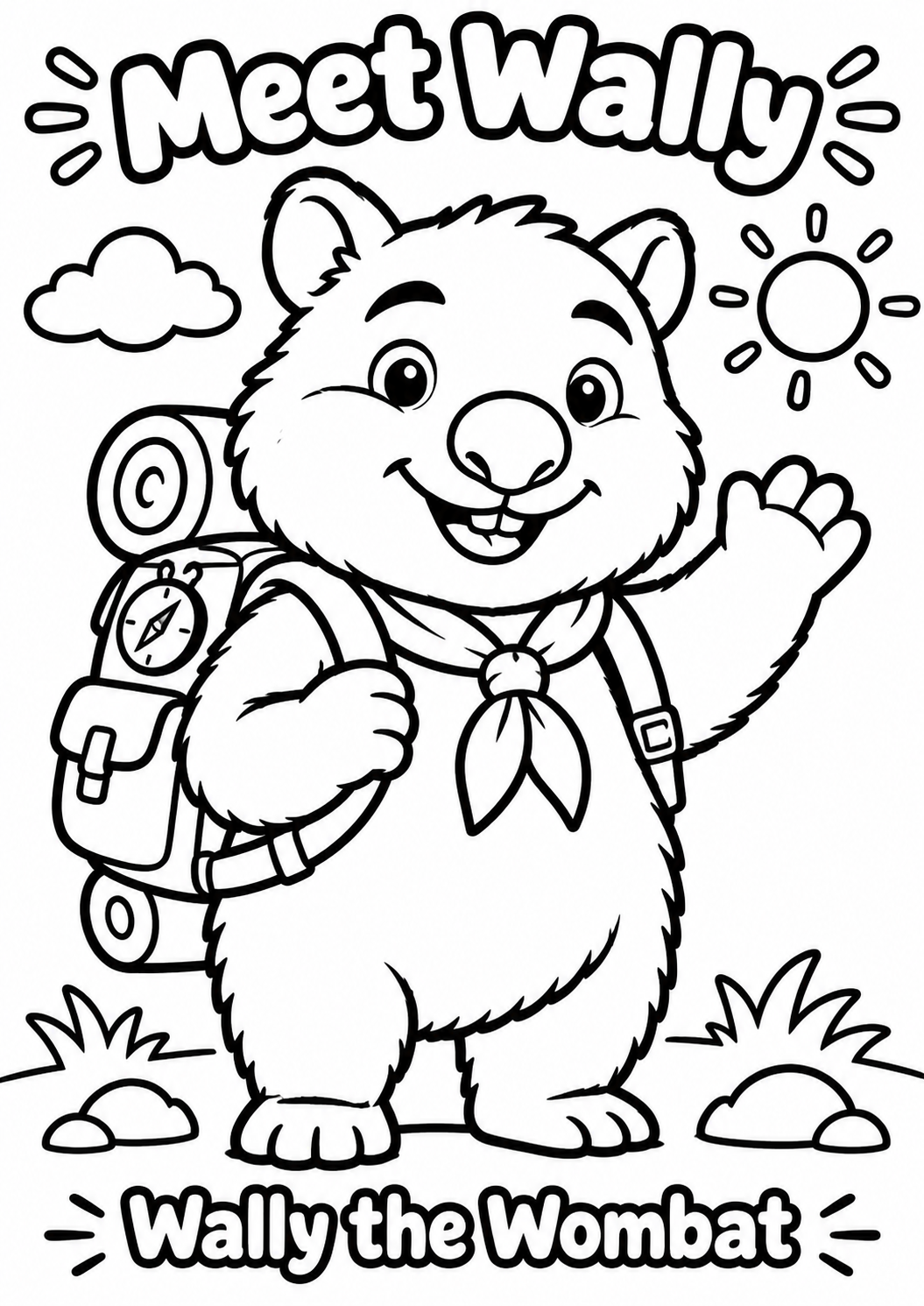
Free colouring page · PNG
Download page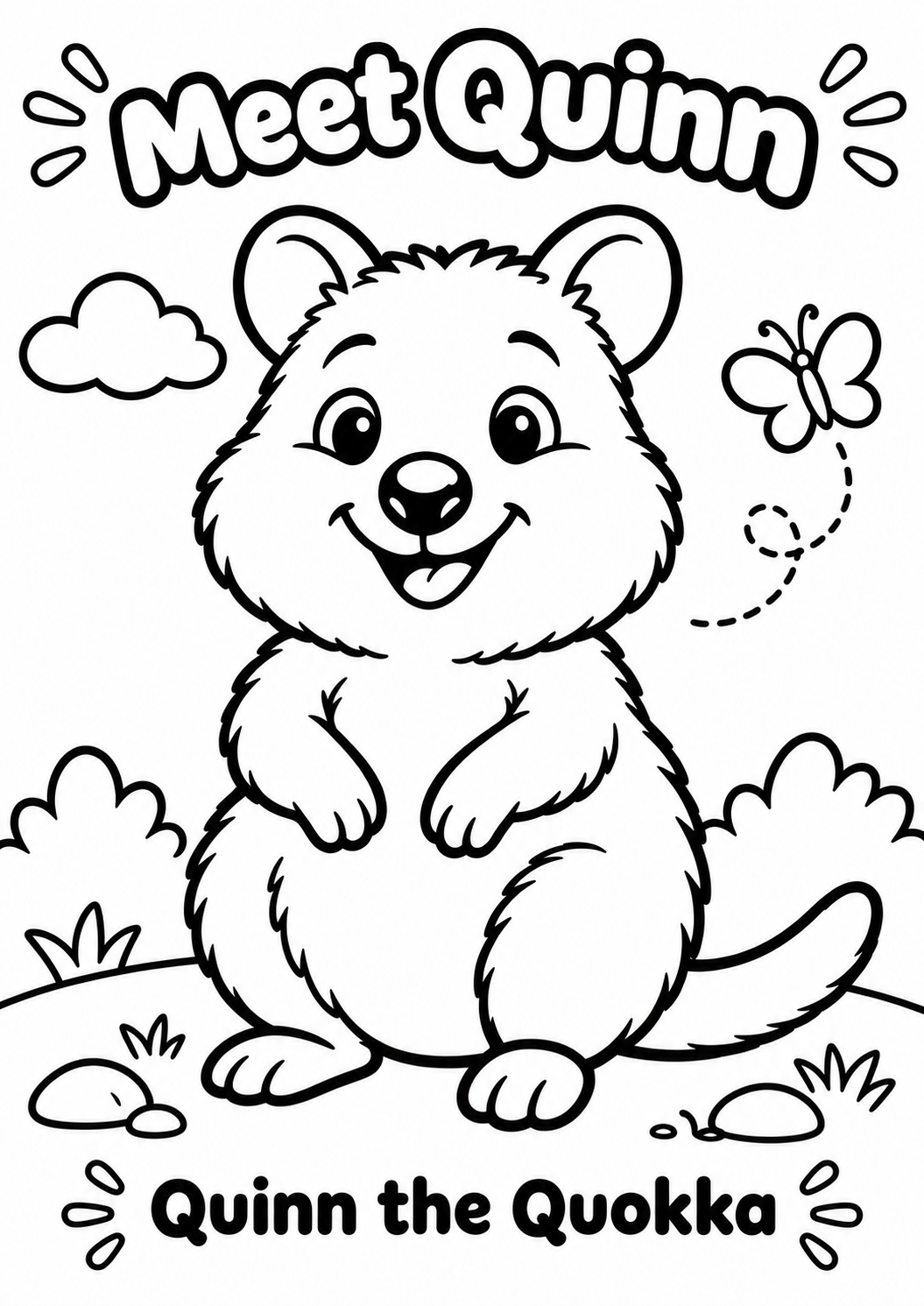
Free colouring page · PNG
Download page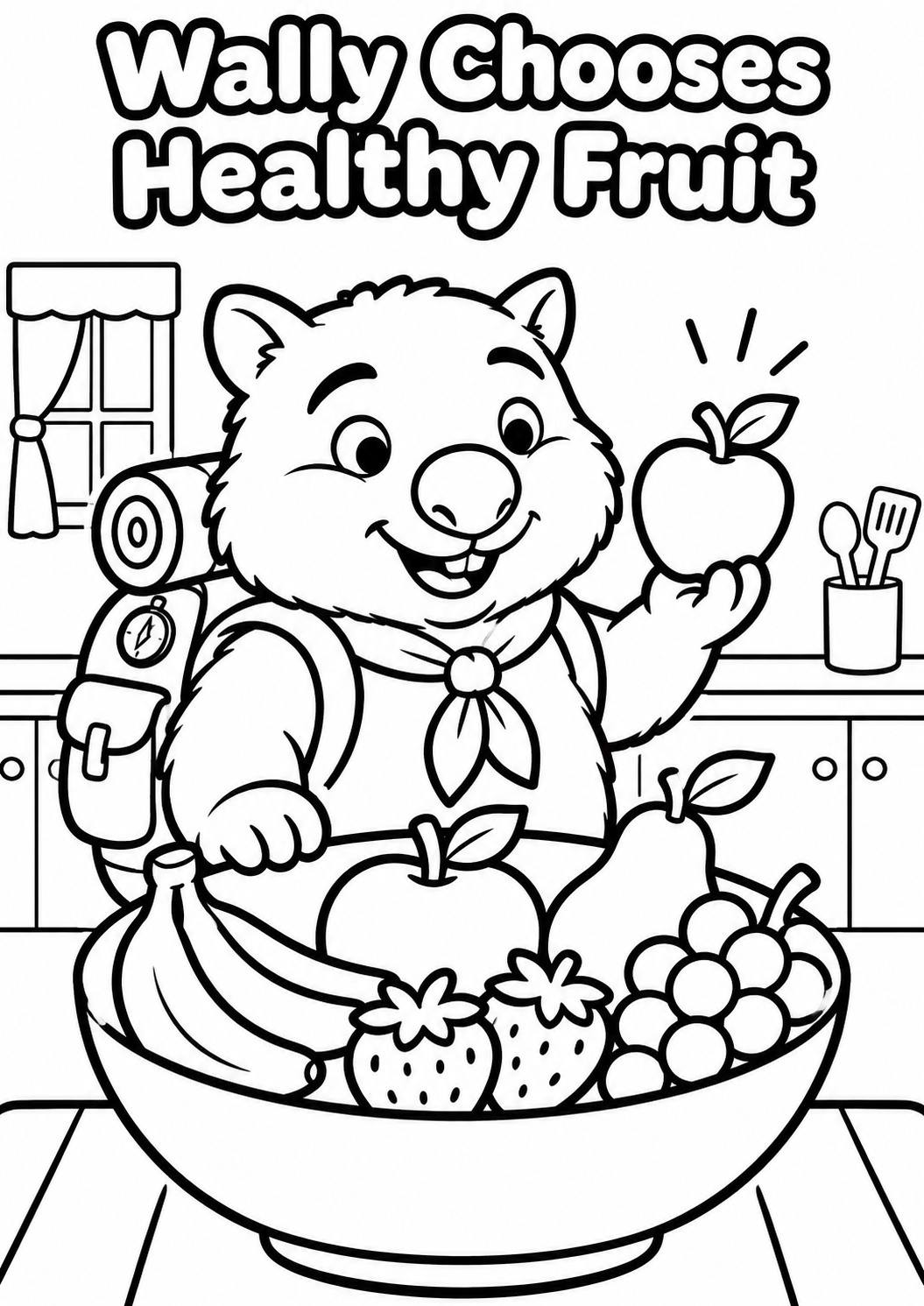
Free colouring page · PNG
Download page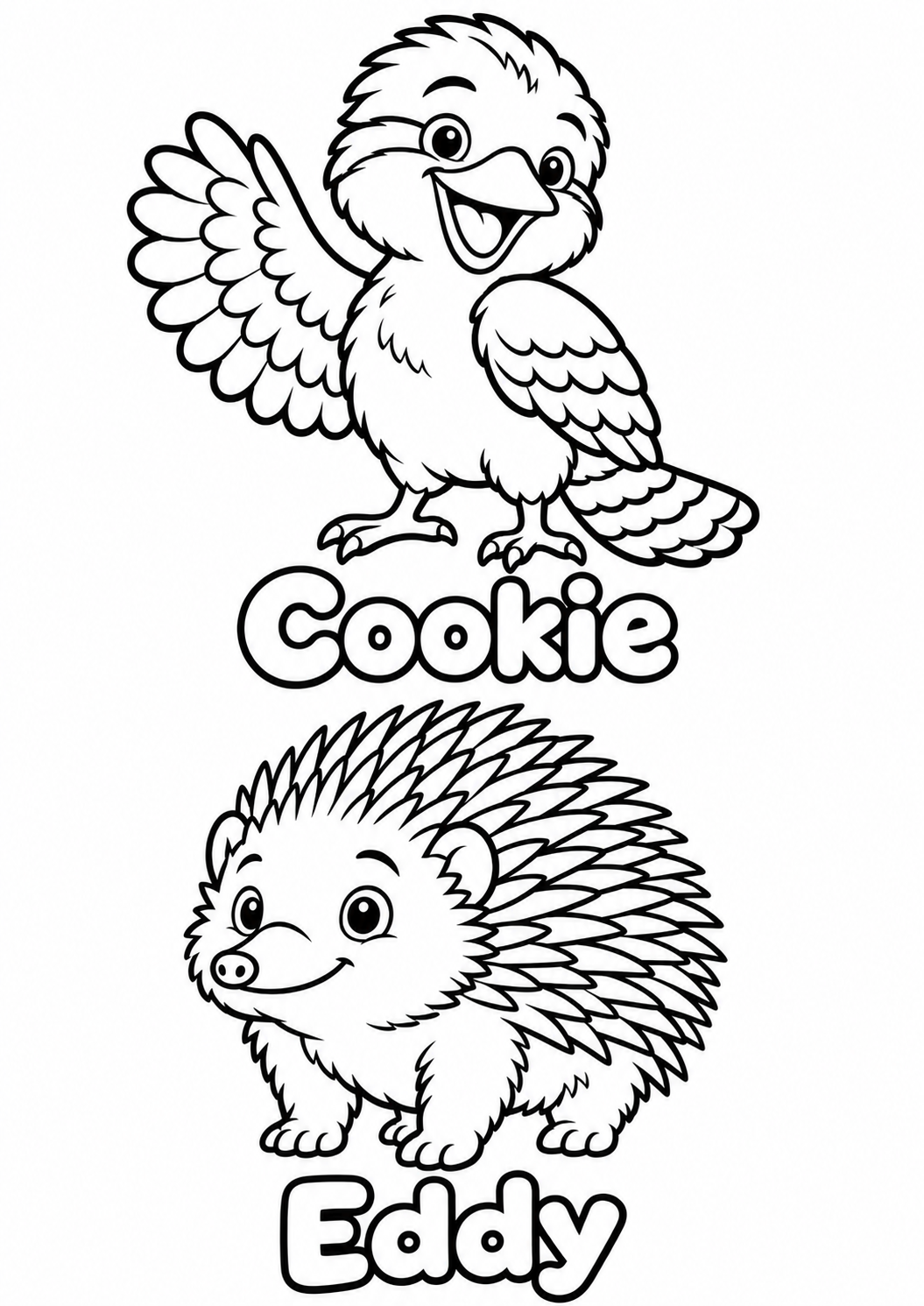
Free colouring page · PNG
Download page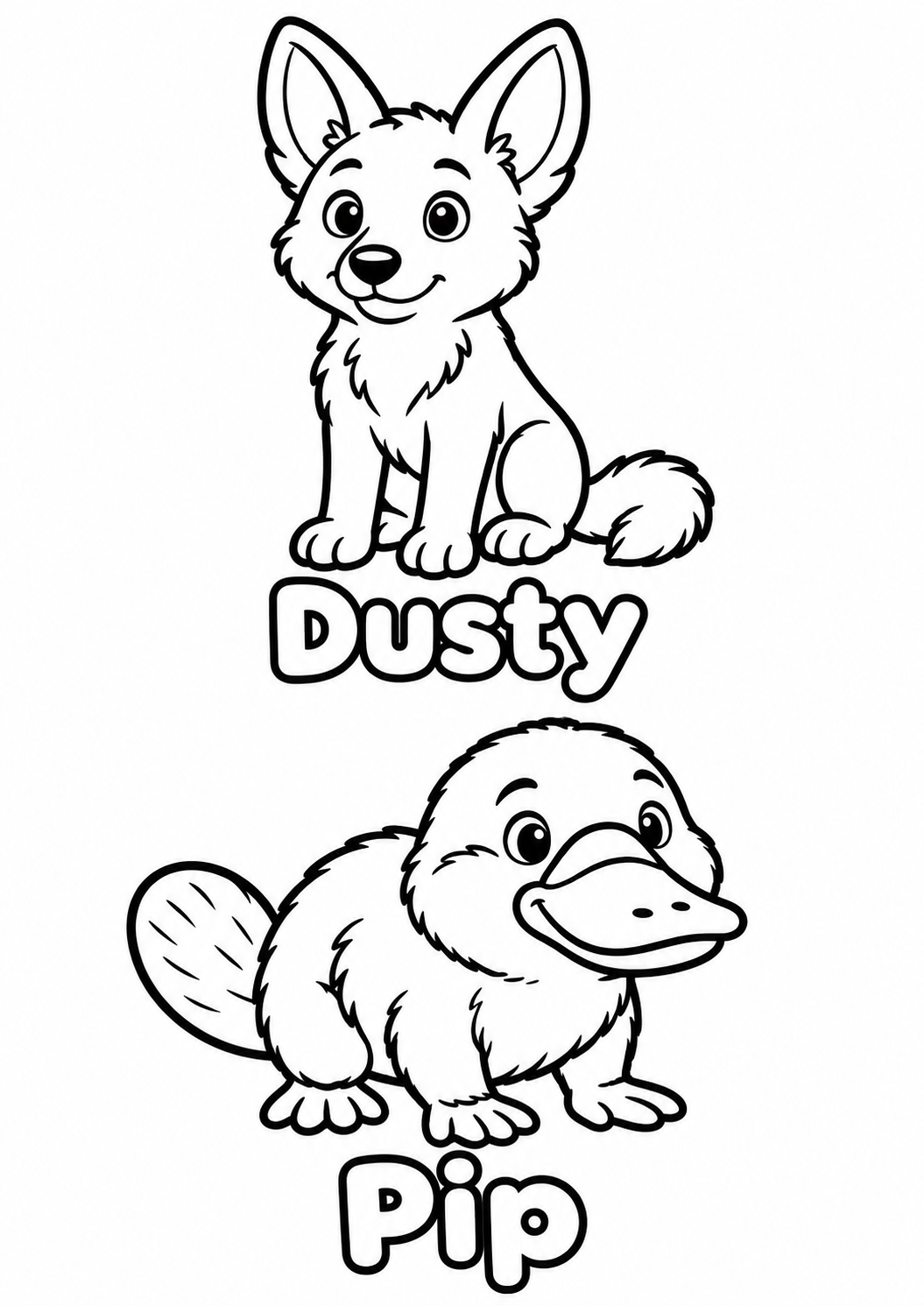
Free colouring page · PNG
Download page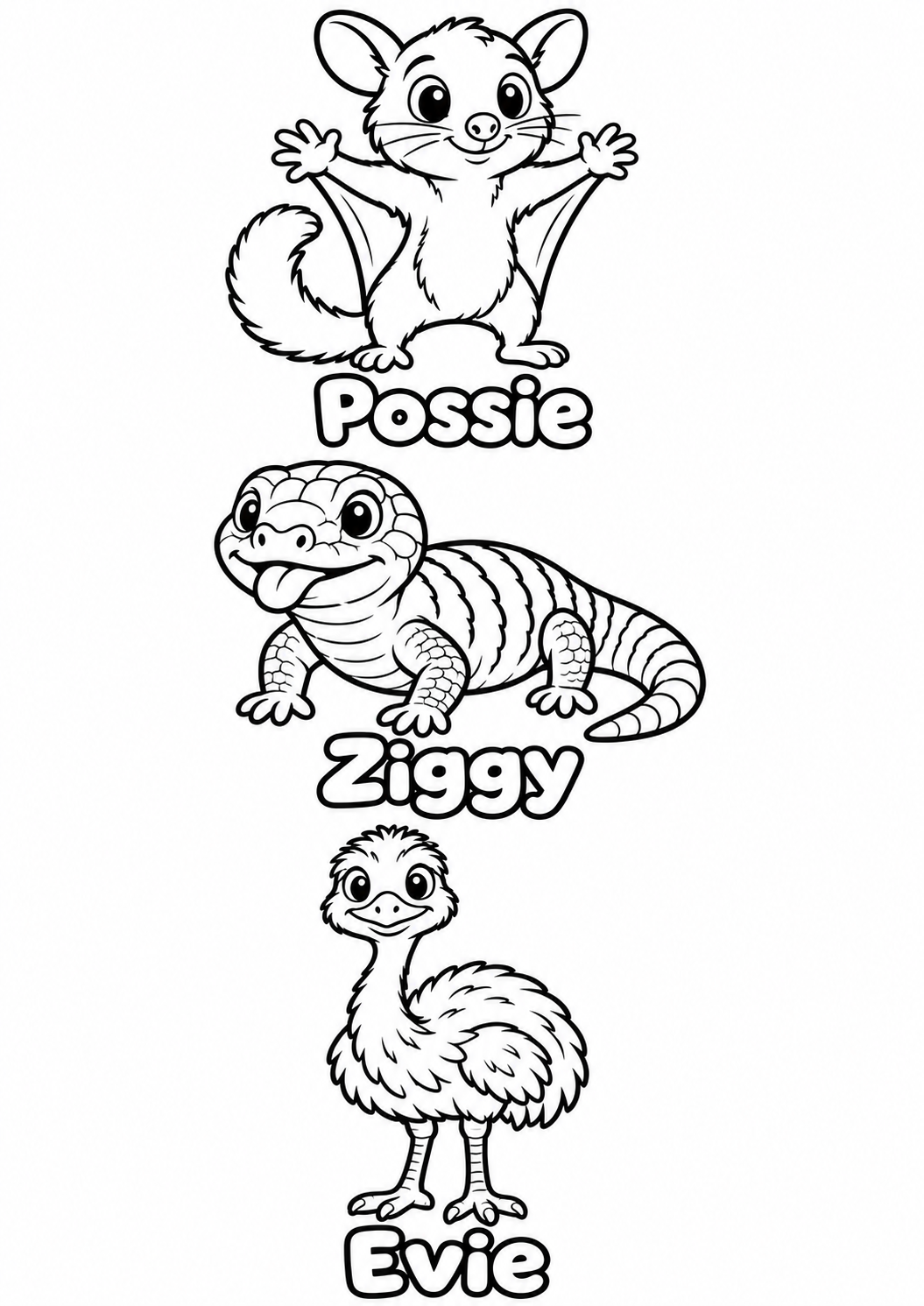
Free colouring page · PNG
Download page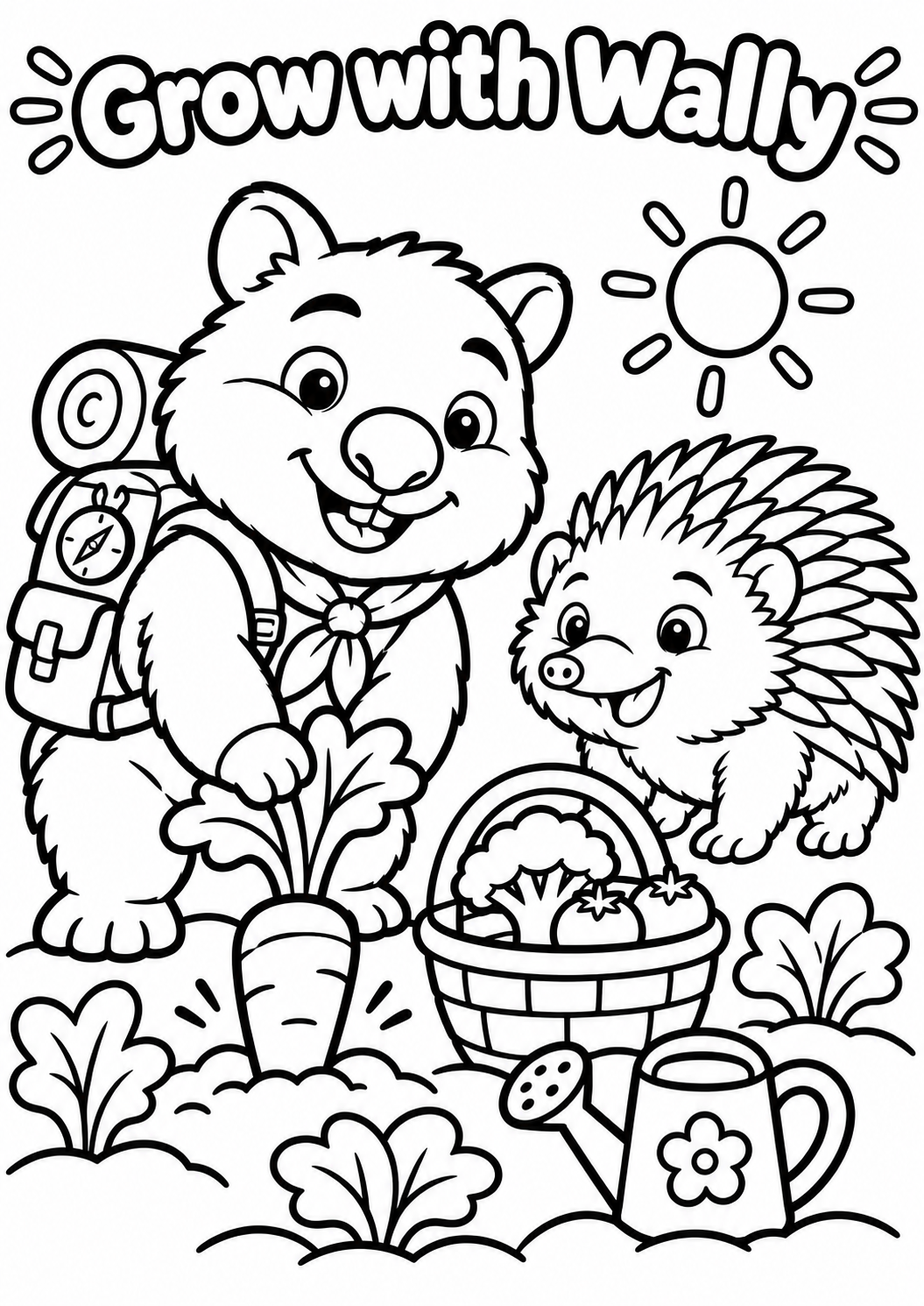
Healthy eating · A4 PDF
Download page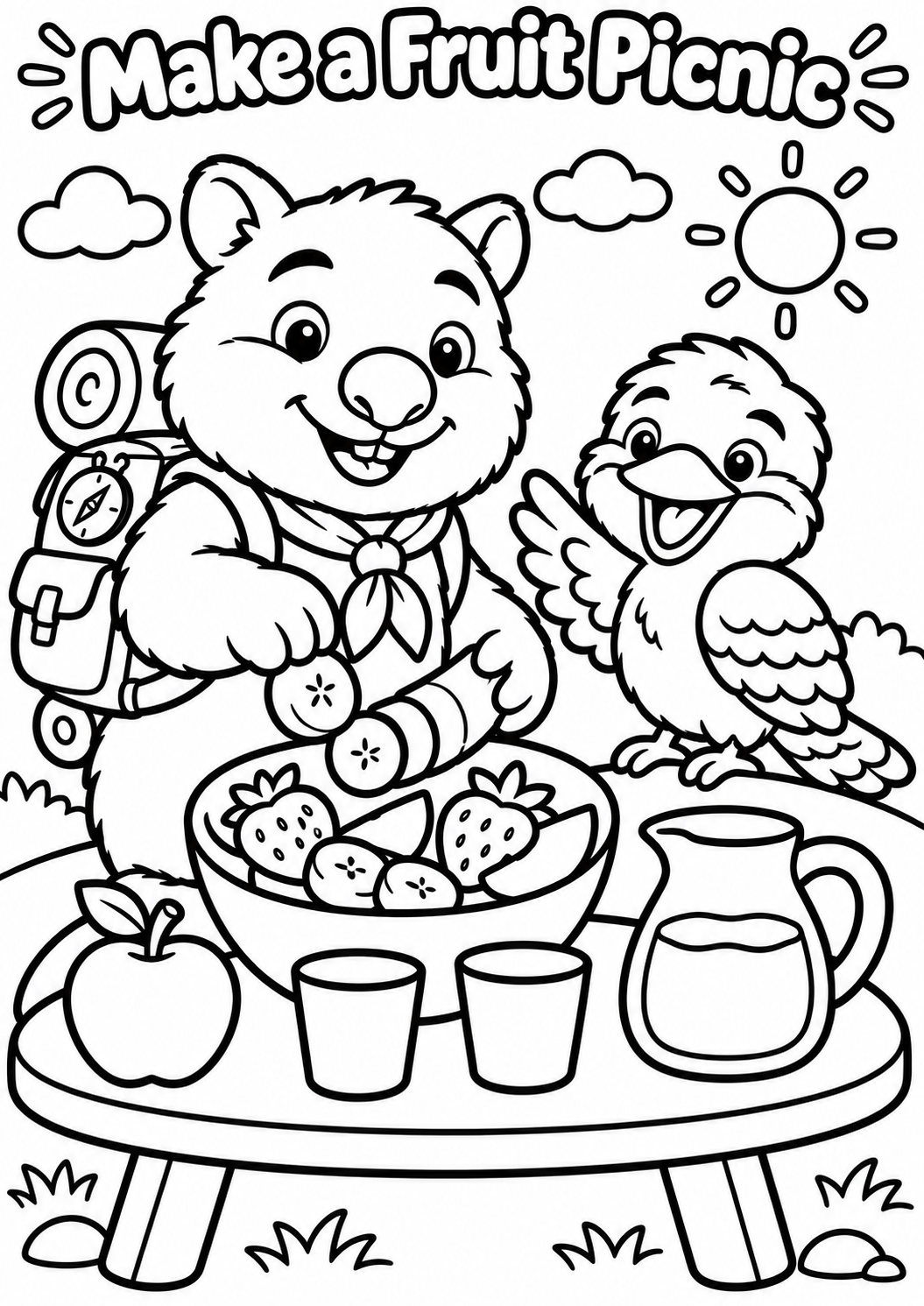
Healthy eating · A4 PDF
Download page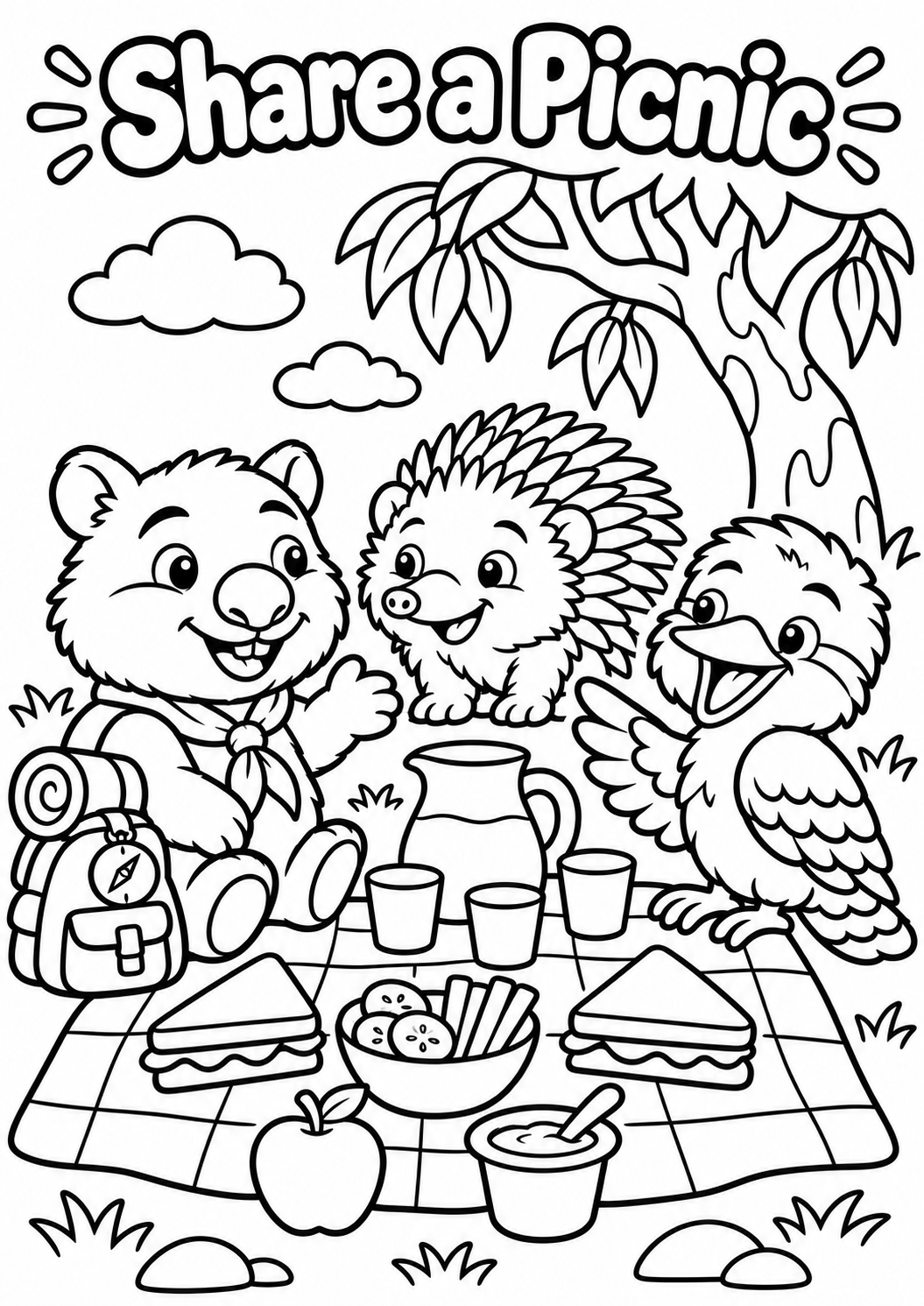
Healthy eating · A4 PDF
Download pageTWELVE MATES. A WORLD OF LITTLE ADVENTURES.
There’s a place for every little explorer here.
A LITTLE WALLY TO TAKE HOME
More little adventures are on the way.
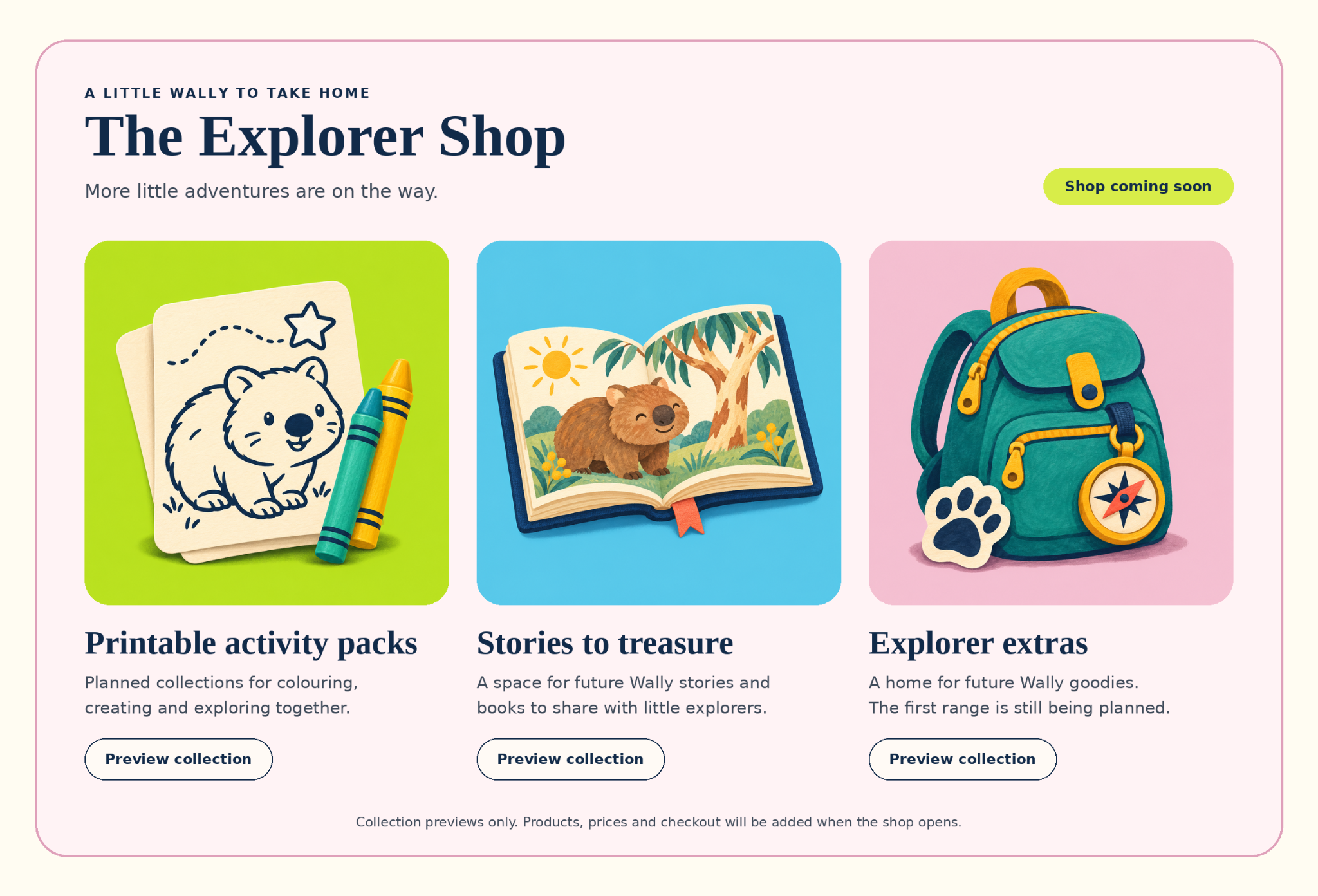
Planned collections for colouring, creating and exploring together.
A space for future Wally stories and books to share with little explorers.
A home for future Wally goodies. The first range is still being planned.
Collection previews only. Products, prices and checkout will be added when the shop opens.
THE NEXT LITTLE ADVENTURE
App coming soonWe’re making a home here for the Feel Better Explorers app. Download links will appear when it’s ready.
Until then, explore our songs and free activities right here.

FOR THE GROWN-UPS BESIDE THEM
Feel Better Explorers brings songs, movement and creative activities into everyday conversations about friendship, feelings and trying again.
Parent Help & ResourcesChoose a song together. Ask, “Have you ever felt like Wally?” Let your child draw, move or talk in their own way.
Use a song to start circle time, try a movement break, or print an activity to explore kindness and feelings together.
There’s no need to fix every feeling. Listen, make room for different answers and let little explorers go at their own pace.
WALLY’S NOTEBOOK · FOR GROWN-UPS
Six simple, evidence-informed reads for everyday family life. Each includes sources and practical resources.
Simple ways to build happy mealtimes and a healthy relationship with food.
Everyday play helps growing bodies, learning and wellbeing. Small bursts count.
Listen, make a safety plan and work with the adults responsible for your child’s care.
Understanding the behaviour helps adults stop it and teach safer ways to connect.
You do not need perfect words. Calm company and a little time can help.
Turn a short screen moment into moving, imagining and playing together.
YOU DON’T HAVE TO WORK IT ALL OUT ALONE
Choose your country to reveal trusted information and support.
Press Australia, US or UK to open that resource list. Choose a service that fits your child’s age and where you live. External websites open in a new tab.
Free counselling for children and young people about friendships, bullying, family worries, feelings and more. Parents can use the website to learn about the service and support a young person to reach out.
Youth counselling serviceThe Royal Children’s Hospital Melbourne’s family-friendly information on childhood conditions, symptoms, tests and treatments. Its fact sheets are checked by medical experts.
Children’s hospitalFree, expert-reviewed information about child development, behaviour, sleep, food, relationships and parenting. Supported by the Australian Government.
Expert-reviewed parenting informationSpeak with a registered nurse about a health concern and where to get care. This is health advice rather than an emergency response service.
Government-funded health serviceQualified maternal and child health nurses can discuss feeding, child health, family wellbeing and parenting concerns. Available to Victorian residents and visitors; call charges may apply.
Victorian Government serviceFree fact sheets, videos and podcasts developed with families and professionals, drawing on research about children’s social and emotional wellbeing.
Child mental health organisationAustralian Government guidance on screen use, games, parental controls, cyberbullying and keeping children safer online.
Australian online safety regulatorPractical information on listening to a child, responding to bullying and working with their school to make a safety plan.
Australian education resourceFor a life-threatening emergency or immediate danger in Australia, call 000.
The American Academy of Pediatrics’ parent website, with pediatrician-reviewed guidance on health, development, nutrition and family life.
American Academy of PediatricsPractical guides, articles and videos to help families understand children’s mental health, behaviour and learning challenges.
Child mental health organisationResearch-informed articles, videos and activities for parents and carers, with resources for toddlers, preschoolers and teenagers.
US public-health agencyInformation on recognising concerns in children, seeking an assessment and talking with a health professional about support.
US National Institutes of HealthFind community services for needs such as food, housing, caregiving and health care. Available programmes and eligibility depend on your location.
Community information and referral networkFor immediate danger or a life-threatening emergency, contact the emergency services where you are. These information websites are not emergency response services.
Guidance on supporting a child’s mental health and seeking professional help. NHS pathways and eligibility differ across the UK; check your local NHS service.
National Health ServiceAdvice and emotional support for parents and main carers worried about a child or young person’s mental health. This is not a crisis service. Check the website for current contact options and opening hours.
Children’s mental health charityPractical information for parents about keeping children safe, online safety, family life and supporting wellbeing.
Child protection charityParenting advice covering early years, school, teenagers, bullying and family relationships, plus information on available support services.
Family support charityInformation for parents and carers about children’s mental health, behaviour, sleep, development and treatment services.
Professional medical organisationFor immediate danger or a life-threatening emergency, contact the emergency services where you are. These information websites are not emergency response services.
Links and service details checked 28 November 2026. Check current opening hours, eligibility and local availability with each provider. These independent organisations are not partners or endorsers of Feel Better Explorers. General information does not replace individual professional care.
Little adventures.
Better together.
FOR GROWN-UPS · HEALTHY EATING
Simple ways to build happy mealtimes and a healthy relationship with food.
One child wants another sandwich. Another will only look at the peas. Feeding children can feel like a daily test, but a single meal does not tell the whole story. A helpful starting point is variety, regular opportunities to eat and less pressure at the table.
Children need food to grow, learn and play. Across the day, offer vegetables and legumes, fruit, grain foods, protein foods, and milk, yoghurt, cheese or suitable alternatives. Make water the usual drink. Needs vary with age, appetite and activity; counting calories or putting a child on a restrictive diet is not the goal. [1]
A practical lunch might be a sandwich, some fruit and yoghurt. Dinner might be rice, beans or chicken, and vegetables. Use foods your family enjoys and can afford. The aim is a workable pattern, rather than an impressive lunchbox.
Parents and carers organise what food is offered, and when and where meals happen. Children can decide whether to eat and how much from what is offered. Predictable meals and snacks help create this structure. Try sitting together when possible and putting screens aside. [2]
If your child stops after a few bites, try, “Your tummy can tell you when it has had enough.” Avoid bargains about extra bites or using dessert as a prize. A calm routine gives you something to return to, even when the meal does not go as planned. [2]
Children learn from watching adults. Let them see you enjoy different foods, without turning each mouthful into a lesson. Invite them to help choose a vegetable, wash fruit or stir something with supervision. Repeated opportunities to meet foods can be useful; eating a new food does not need to happen immediately. [3]
Try a simple invitation: “Would you like to help put the cucumber on the plate?” They might help today and taste it another day. Keep conversation friendly. Talk about crunch, colour or flavour instead of judging their body or comparing how much siblings eat.
If eating is painful, your child often chokes or coughs with food, their food range keeps shrinking, or you are worried about growth or nutrition, speak with their GP. A dietitian or feeding team can help where needed. Do not remove whole food groups for a suspected allergy without medical advice. [1]
One small thing for today: choose one meal to sit together, offer familiar food alongside variety, and let the conversation be about your day.
The numbered links in this article refer to these medical, psychology and public-health resources.
Sources checked: 28 November 2026.
Use our fruit colouring page to start a relaxed chat about foods your family enjoys. It is a conversation starter, rather than a food checklist.
Find free colouring pagesFor advice about your child, contact their GP or relevant health professional. The source links above offer further practical reading.
Three free colouring pages for a relaxed food conversation. Ask what your child notices or what they would take on a picnic. There is no need to turn colouring into a tasting test.
Download all 3 pages (PDF)Healthy eating · A4 PDF
Download pageHealthy eating · A4 PDF
Download pageHealthy eating · A4 PDF
Download pageGeneral education for parents and carers. This article does not diagnose a condition or replace individual medical or psychological advice. Sources inform the guidance; example phrases and activities are suggestions from Feel Better Explorers. No endorsement by the organisations linked is implied.
FOR GROWN-UPS · PHYSICAL ACTIVITY
Everyday play helps growing bodies, learning and wellbeing. Small bursts count.
A dance in the kitchen, a trip to the park or a game of chase can be valuable parts of a child’s day. Physical activity is more than organised sport. Children benefit from many chances to move, explore and practise skills in ways they enjoy.
Regular movement supports muscles, bones, fitness and movement skills. It can also support wellbeing, social connection and learning. Play gives children chances to take turns, solve small problems and discover what their bodies can do. These are benefits worth celebrating without making body size the focus. [1]
Some children love a team game. Others prefer dancing alone, climbing or exploring outdoors with one friend. Enjoyment matters: a child is more likely to return to something that feels welcoming than something that feels like a test.
Australian guidance recommends at least three hours of activity spread across the day for preschoolers aged three to five, including at least one hour of energetic play. Running, dancing and chasing games can be part of that energetic hour. It does not need to happen in one session. [2]
For school-aged children and young people aged five to seventeen, the recommendation is at least sixty minutes of moderate to vigorous activity each day, plus several hours of lighter movement. Include vigorous activity and activities that strengthen muscles and bones on at least three days each week. Running, climbing and jumping games offer everyday options. [3]
Five-year-olds sit at the overlap of the early-years and school-age guidance. Use the advice that suits their stage and daily setting, and ask a health professional if you need help applying it. The shared message is plenty of varied movement throughout the day.
Choose a few natural breaks: a walk after school, a dance before dinner or a ball game outside. Several short sessions can contribute to the daily recommendation. Break up long stretches of sitting; quiet play and reading still have a place. Sleep matters too, so movement should fit alongside rest. [2], [3]
Try offering two choices: “Shall we dance or play catch?” Join in when you can. You could invent a slow animal walk, toss a soft ball into a basket or make up a seated movement game together.
Adapt games to your child’s abilities, interests and comfort. If pain, a disability or a health condition makes activity difficult, ask their treating team how to adapt it safely. Start with something manageable rather than expecting every child to move in the same way.
One small thing for today: put on a favourite song, move together, then choose an off-screen game to keep the play going.
The numbered links in this article refer to these medical, psychology and public-health resources.
Sources checked: 28 November 2026.
Try one of Wally’s little adventures, then put the screen aside and play in a way that suits your child.
Pick an off-screen adventureFor advice about your child, contact their GP or relevant health professional. The source links above offer further practical reading.
General education for parents and carers. This article does not diagnose a condition or replace individual medical or psychological advice. Sources inform the guidance; example phrases and activities are suggestions from Feel Better Explorers. No endorsement by the organisations linked is implied.
FOR GROWN-UPS · FRIENDSHIP & SAFETY
Listen, make a safety plan and work with the adults responsible for your child’s care.
Hearing that your child is being bullied can bring a rush of worry or anger. You do not need to solve everything in the first conversation. Begin by making it safe for them to tell you what happened, then take practical action with the adults who can help.
Choose a quiet moment and give your child time to speak. Thank them for telling you. Let them know you believe them and want to help. Try an open question such as, “What happened after that?” rather than asking why they did not stop it. Include their views when planning the next step. [1]
You might say, “You did the right thing telling me. You deserve to feel safe.” Avoid promising to keep everything secret: explain that you may need another trusted adult’s help. Tell your child what you plan to share, so the response feels less surprising.
Bullying involves repeated harmful behaviour and a power imbalance that makes it hard for the child to stop it. It can involve words, physical harm, exclusion or online behaviour. A disagreement is not automatically bullying, but any frightening or harmful incident still deserves attention. [2]
Children may show changes before they can explain them. These can include avoiding school, damaged belongings, frequent tummy aches, sleep difficulties or putting themselves down. These signs can have other causes, so ask with curiosity rather than deciding you already know. [2]
Contact the teacher, kinder educator or other adult responsible for the setting. Share what your child has told you and any pattern you have noticed. Healthdirect recommends reassuring children that bullying is not their fault and letting them know you will involve the school. [3]
Keep a factual record of dates, places, incidents and who was told. Ask for a clear safety plan: who can your child approach, what supervision is needed, and when will you review progress? If the behaviour continues, follow up and use the school’s escalation process. The plan needs adult action, rather than leaving the child to manage it alone.
Practise asking for help together. Identify a trusted adult and a friend they can walk with. Keep space for ordinary enjoyable activities and relationships. Avoid making fighting back or confronting the other child their responsibility. A psychologist can help when bullying is affecting everyday life. [2]
If your child is injured, very distressed or increasingly unable to attend school, seek health support promptly. If there is immediate danger, seek emergency help. You do not need to wait for another incident before asking for support.
One small thing for today: ask, “Who helps you feel safe at school?” Write that person’s name into the plan together.
The numbered links in this article refer to these medical, psychology and public-health resources.
Sources checked: 28 November 2026.
Walk With Me, Mate can help open a conversation about going with a friend to tell a trusted adult. A song supports the conversation; the safety plan still needs adults to act.
Find Wally’s songsFor advice about your child, contact their GP or relevant health professional. The source links above offer further practical reading.
General education for parents and carers. This article does not diagnose a condition or replace individual medical or psychological advice. Sources inform the guidance; example phrases and activities are suggestions from Feel Better Explorers. No endorsement by the organisations linked is implied.
FOR GROWN-UPS · UNDERSTANDING BEHAVIOUR
Understanding the behaviour helps adults stop it and teach safer ways to connect.
When a child hurts or excludes others, it is natural to ask why. There is no single explanation for bullying. Understanding what is happening can help adults choose a useful response. It does not make the behaviour acceptable, or make the child being hurt responsible for changing it.
Some children use bullying to gain attention, status or control, or to fit in with a group. Others are still learning how to manage relationships, or are experiencing difficulties themselves. Bullying No Way describes several possible reasons and is clear that none excuses the harm. [1]
It is unhelpful to assume every child who bullies is secretly unhappy, or that one difficult event explains everything. Start with the behaviour you can describe: who was involved, what happened, whether it keeps happening and what the child seemed to gain.
Parenting SA notes that some children need help with managing emotions, reflecting on their actions, taking responsibility and building respectful friendships. Some are also being bullied or experiencing stress. These are possibilities to explore, rather than diagnoses to make from a playground incident. [2]
A useful question is, “What were you hoping would happen?” A child might describe wanting a laugh, wanting to join in or feeling angry. Listen to their answer, then return to the effect on the other person. Understanding their goal helps you teach a safer way to pursue it.
If a school raises concerns about your child, ask for specific examples and hear the full account. Explain that hurting, threatening or deliberately excluding someone is unacceptable. Keep your language about what the child did, rather than describing them as a bad person. Staying calm and connected can sit alongside clear accountability. [2]
Try, “I care about you, and this behaviour needs to stop. We will work on what you can do instead.” Avoid public humiliation. The aim is for the child to understand the boundary and practise a different response, not simply hide the behaviour better.
Work with educators on consistent boundaries and supervision. Practise joining a game politely, coping when someone says no, and recognising another person’s feelings. Notice specific improvements, such as making space or taking turns. Victorian education guidance recommends clear rules, consistent responses and support to build social skills. [3]
Ask the school how it will keep the child who was targeted safe. Any repair needs to be guided by their safety and wishes; a forced friendship is not the goal. Arrange a follow-up so adults can check whether the behaviour has actually changed.
If harmful behaviour continues, or there are broader worries about behaviour, wellbeing or family stress, speak with your GP or school wellbeing team. Professional help can support the child while adults keep responsibility for stopping the harm. [3]
One small thing for today: practise one friendly way to join a game, then look for a chance to notice it in real life.
The numbered links in this article refer to these medical, psychology and public-health resources.
Sources checked: 28 November 2026.
Try the Little Kindness Quest as a gentle way to practise welcoming and helping. If bullying is happening, use it alongside a school-led response, rather than as the whole solution.
Explore free activitiesFor advice about your child, contact their GP or relevant health professional. The source links above offer further practical reading.
General education for parents and carers. This article does not diagnose a condition or replace individual medical or psychological advice. Sources inform the guidance; example phrases and activities are suggestions from Feel Better Explorers. No endorsement by the organisations linked is implied.
FOR GROWN-UPS · BIG FEELINGS
You do not need perfect words. Calm company and a little time can help.
A friend goes home. A game ends. Something important does not work out. Sadness is part of childhood, and children do not always have words for it. Your first job is to be available, rather than to make the feeling disappear as quickly as possible.
Tears can mean many things, including tiredness, hunger, pain, frustration or sadness. Check first that your child is physically comfortable and not hurt or unwell. If you are unsure about pain or illness, speak with a health professional. [1]
Once immediate needs are covered, slow the conversation down. Sit nearby and try a simple observation: “You look sad that Cookie has gone home.” Leave room for your child to correct you. Naming a feeling is an invitation, rather than a test they must get right.
Children facing stress benefit from reassurance, connection and explanations they can understand. Let them know you are available. Some children welcome a hug; others prefer you to sit close without touching. Try, “Would you like me beside you, or a little further away?” [2]
You do not have to fill every quiet moment. A child might talk while drawing, walking or playing, rather than while looking directly at you. If they do speak, listen without immediately comparing their problem with someone else’s or saying it is nothing to worry about.
Offer one or two gentle choices when your child is ready: a drink of water, a familiar story or some quiet drawing. Keep ordinary routines as steady as you can. Predictable meals, bedtime and time together can be reassuring, especially when something in family life has changed. [2]
For example, a child who misses a friend might draw a picture to save for their next visit. They can enjoy drawing and still feel sad. There is no need to ask, “Are you happy now?” Instead, notice the connection: “You wanted to make something for your friend.”
Everyday sadness and grief are different from depression. Seek advice if low mood or irritability, loss of enjoyment, withdrawal, sleep changes or other concerning changes persist or disrupt daily life. Symptoms lasting most days for around two weeks deserve assessment, but you can ask for help earlier whenever you are worried. [3]
Start with your child’s GP, child and family health nurse or school wellbeing team. Explain what has changed, when it began and how it affects home, play and school. An assessment helps work out what support is needed; a checklist alone cannot diagnose depression.
If your child talks about wanting to die or hurt themselves, take it seriously and seek urgent professional help. If they are in immediate danger, stay with them and contact emergency services.
One small thing for today: put aside a few unhurried minutes and say, “I’m here. We can sit together.”
The numbered links in this article refer to these medical, psychology and public-health resources.
Sources checked: 28 November 2026.
Listen to Sad and Blue together, or use My Feelings Page to draw what the day feels like. Your child can choose to talk, draw or simply have your company.
Open the feelings activityFor advice about your child, contact their GP or relevant health professional. The source links above offer further practical reading.
General education for parents and carers. This article does not diagnose a condition or replace individual medical or psychological advice. Sources inform the guidance; example phrases and activities are suggestions from Feel Better Explorers. No endorsement by the organisations linked is implied.
FOR GROWN-UPS · SCREEN TIME & MOVEMENT
Turn a short screen moment into moving, imagining and playing together.
Could a favourite song be the start of a game? A short video can give children an idea to try, especially when a grown-up joins in. The useful question is what happens next: does the screen lead to moving, imagining and playing together?
Look for age-appropriate content that invites participation: a simple dance, an animal movement or a game you can copy. Preview it first and watch together. eSafety recommends knowing the content and helping children connect what they see with their own experiences. A label such as “educational” is not a guarantee of quality. [1]
Choose one short clip before starting, rather than browsing through a long queue. For example: “We’ll watch this song, then invent our own animal walk.” You can join the movements, pause to explain something, and let your child suggest a different way to play.
Try a three-step routine: choose, join, continue. Choose one movement idea. Join your child while they practise it. Then switch off the screen and continue the game in your own space. Short sessions and regular breaks help make room for other activities. [2]
A hopping song could become a game of jumping between pretend puddles. A video about exploring could inspire a backyard search. A seated child could lead an arm dance or choose movements for everyone to copy. These are family activity ideas, not a promise that a particular video improves health.
Australian guidance recommends no sedentary screen time for children under two, and no more than one hour a day for preschoolers aged three to five; less is better. For two-year-olds, the early-years guidance also favours avoiding sedentary screen time. Young children need plenty of hands-on play and interaction with people. [3]
For school-aged children and young people aged five to seventeen, the recommendation is no more than two hours of sedentary recreational screen time daily, excluding schoolwork. This is a ceiling, not a target. Dancing to a screen does not make unlimited viewing helpful, or replace the need for varied everyday movement. [4]
Agree on the stopping point before you start. Try, “When this song ends, we’ll put the tablet away and play our version.” Keep the next activity ready. If stopping feels hard, acknowledge that feeling while keeping the boundary: “You wanted another one. Our screen time is finished.”
Protect meals, face-to-face play and sleep. Avoid background screens, keep devices out of bedrooms at night and allow a screen-free hour before bed. Family rules are easier to understand when adults model them too. [2], [4]
If screen use regularly disrupts sleep, school, relationships or family life, ask your GP or a child health professional for support. Adapt movement to your child’s abilities and keep the play area safe.
One small thing for today: choose one song together, then ask, “What shall we play now?”
The numbered links refer to these child-development, online-safety and public-health resources.
Sources checked: 28 November 2026.
Choose a short movement song, then use an off-screen adventure to continue the play. Wally’s songs are optional family activities, not a substitute for professional advice.
Pick an off-screen adventureFor help choosing content and setting family boundaries, use the eSafety and Raising Children resources above.
General education for parents and carers, not individual medical or psychological advice. Sources inform the guidance; example phrases and activities are suggestions from Feel Better Explorers. No endorsement by the organisations linked is implied.
FEEL BETTER EXPLORERS
Wally’s packing a few surprises.
Our explorer shop will be ready for you soon.